

Every woman has a favourite piece of lingerie — something so comfortable and familiar that she reaches for it no matter the season. Fine cotton, a flattering cut, a fabric you barely notice against your skin — that kind of lingerie has no season and needs no occasion. It simply works.
And yet, if we stop to think about it, our choices shift with the temperature, often without us realising it. In the warmer months we reach for smoother, lighter pieces in nude and pale shades — lingerie that disappears under a thin dress or a sheer blouse. Winter brings darker tones, lace, and fuller coverage — hidden under clothing, but no less important. The difference isn't only about colour or cut. It's also about the fabric, and how the body feels at different temperatures.
Summer Lingerie — Lightness and the Right Fabric for the Heat
In hot weather, priorities shift. Summer clothing turns light and sheer, so lingerie needs to stay as discreet as possible. For everyday wear, nude is the safest choice — it blends with your skin tone under fabric. Nude, white and pale shades disappear under summer clothing, while dark colours and bold patterns tend to show through. We're looking for lingerie that goes unnoticed and doesn't trap moisture against the skin. Fabric and colour both matter just as much here.
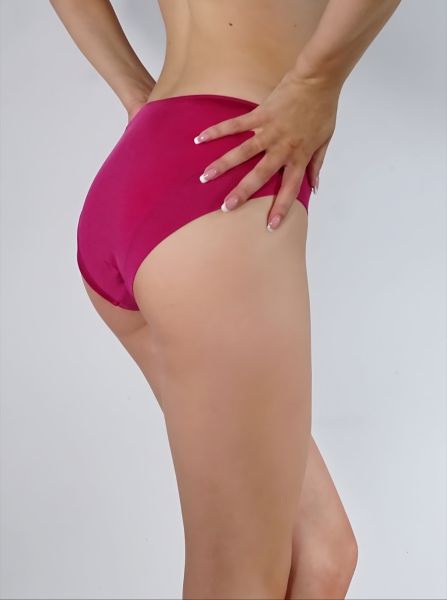
Fine polyamide microfiber is one of the best choices for summer — light, stretchy, with minimal bulk and nearly invisible under fitted clothing. Quality polyamide-based fabric wicks moisture quickly, keeping skin feeling fresh even in high heat. Microfiber styles with a clean, seamless design are especially comfortable under dresses and trousers, where seams would otherwise show.
Cotton is the other reliable option — especially for longer wear, sensitive skin, or anyone prone to irritation. It absorbs moisture well and lets skin breathe, though it dries more slowly than microfiber.
For summer, we steer away from thick fabrics, wide elastics and excess coverage — anything that traps heat and creates friction during movement.
Spring and Autumn Lingerie — Freedom of Choice
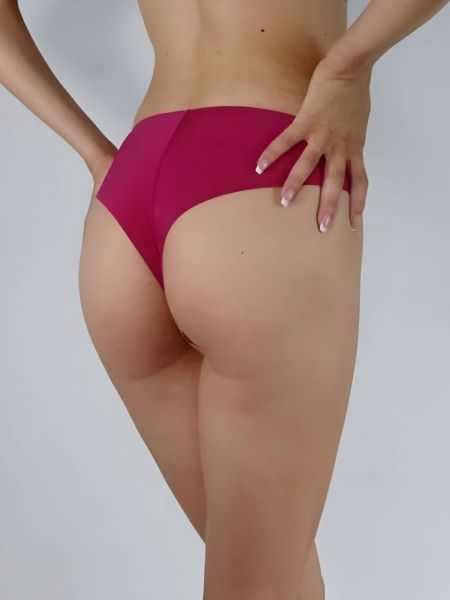
The transitional seasons bring more freedom to how we choose lingerie. Clothing is already heavier — sweaters, jackets, jeans — so lingerie no longer needs to be smooth and nude, and we can comfortably wear our favourite styles without worrying about visible lines. This is the season when lace bikini briefs and lace brazilian briefs come into their own. We can afford more colour, more detail.
It's also the season for camisoles or bodysuits, depending on personal taste, with plenty of freedom in colour and style. A camisole worn under a shirt or thin sweater adds light warmth without extra bulk, while under heavier layers, bras, bralettes or lingerie bodysuits with more visible lace become an easy option, with no worry about anything showing through. This is the season when top and bottom pieces can finally play off each other freely — in colour, pattern or fabric.
Winter Lingerie — Coverage, Warmth and the Right Cut
Winter lingerie doesn't have to mean heavier — it means more considered. A denser fabric, a higher cut and a touch more coverage make a real difference when it's cold out.
Cotton boyshorts are a favourite for the cold season — they cover more, hold in a bit more warmth, and stay comfortable for all-day wear. On days when we're wearing tights under a skirt or dress, a wedge against abrasion can double as an extra layer — the same piece that saved our thighs from chafing back in summer heat.
Winter is also when women's bodysuits earn their place — practical and protective for the lower back. Whether you choose a thin-strap style or a bodysuit blouse, it gives a smooth, reliable base for whatever goes on top — no riding up, no gaps the way a camisole can shift when you raise your arms. Getting the size right matters here.
And if you spend a lot of time outdoors or take part in winter sports, proper thermal underwear is worth the investment.
Fabrics at a Glance — What Works When
Some fabrics simply don't tie themselves to one season. Fine cotton in a classic cut is one such example — light enough for spring and summer, comfortable enough for autumn and winter. Polyamide-based microfiber and stretch tulle paired with lace are also a solid choice for nearly any time of year. Lace depends on its base — over cotton or microfiber it stays light and breathable, suited to most seasons, while over tulle it leans into a more luxurious, delicate feel for the in-between months. Denser fabrics and higher cuts belong to winter — they add coverage and trap warmth exactly where it's needed.
The choice is rarely absolute — it depends on the day, on what's worn over the top, and on how your body feels. Once you understand what each fabric does, choosing lingerie by season becomes far easier.
Lingerie That Works All Year Round
Some styles simply aren't tied to one season. Whether you prefer bikini briefs, brazilian briefs, boyshorts or thongs, bodysuits or camisoles, what matters is choosing a style that suits your figure and the occasion — one that works with whatever you're wearing over it.
Versatility isn't a compromise — it comes from fabric quality and a well-thought-out cut. Lingerie that's precisely sewn from the right material rarely belongs to just one season. The SIA Underwear collection offers styles for every season and every occasion — in sizes S to 6XL, made in Bulgaria.
Summer Lingerie — Lightness and the Right Fabric for the Heat
Spring and Autumn Lingerie — Freedom of Choice
Fabrics at a Glance — What Works When