

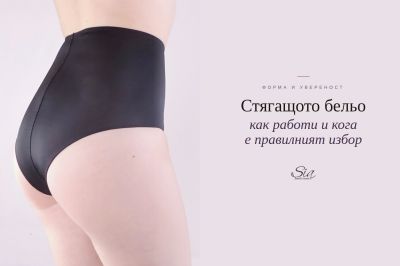
Shapewear is one of those products surrounded by myths. Some see it as a miracle fix that transforms the silhouette in seconds. Others dismiss it as an uncomfortable relic of the past. The truth sits somewhere in between — and it's far more practical than either extreme.
What shapewear is and how it works
Shapewear, body shapers, slimming underwear — different names for the same thing: garments made from dense, elastic fabrics that apply gentle compression to specific areas of the body. That compression redistributes tissue evenly, smooths contours and creates a cleaner, more streamlined silhouette under clothing.
It's worth being clear about what it does — and what it doesn't. Shapewear doesn't remove fat or change the body permanently. What it does is temporarily redistribute tissue to create a smoother appearance. The effect is real and immediate, but it lasts only while the garment is on. That makes shapewear a tool for confidence and appearance — not a permanent solution.
Types of shapewear
Not all shapewear is equal — the differences are significant and affect both the level of compression and the areas being shaped.
Compression levels
Light compression is barely perceptible — the fabric feels slightly denser than regular underwear, but movement isn't restricted. Well suited to everyday wear and to women looking for a gentle smoothing effect. Medium compression is more noticeable and delivers a more defined result — flattening the abdomen, defining the waist and hips. Firm compression is for special occasions and shorter wear — it creates a dramatically smooth silhouette but takes getting used to.
Style options
High-waisted briefs and Brazilian briefs with a light to medium shaping effect are the most everyday option — they cover the abdomen and waist without feeling overly tight. Comfortable for all-day wear and the most widely worn shapewear style.
Shaping thongs provide compression at the abdomen and waist without adding bulk at the hips — ideal under tight trousers and skirts, where visible underwear lines are a concern.
Shaping shorts and cycling shorts cover the hips and thighs — longer styles can reach the knee. They offer maximum coverage and are particularly suited to dresses and skirts.
Shaping bodysuits cover the entire torso from shoulder to hip. They smooth the back, abdomen and waist simultaneously and are a preferred choice for fitted dresses and formal occasions.
How to choose the right style
The choice comes down to two questions: which area you want to shape, and what you'll be wearing over it.
For abdominal and waist shaping — high-waisted briefs or Brazilian briefs are sufficient for everyday wear. For full coverage from the waist down — shorts or a slip. For an all-over smooth torso — a shaping bodysuit. Under tight trousers — a thong or seamless briefs. Under a dress or skirt — shaping shorts. Under a fitted formal dress — a bodysuit.
The compression level should match the occasion and the duration of wear. Firm compression is for shorter periods — special events, important meetings. Light compression works for everyday life.
One important rule: choose the right size — not a size smaller. It's a common mistake to go down a size hoping for a stronger effect, but the result is the opposite — visible lines where the elastic cuts in and real discomfort. The right size should fit snugly without digging in.
When shapewear is the right choice — and when it isn't
Shapewear is the right choice when you want a clean silhouette under a specific outfit, when you feel more confident with extra support around the abdomen and waist, or when a special occasion calls for a flawless appearance.
Firm styles are not practical for everyday wear — extended walking, sitting or an active day can make them genuinely uncomfortable and restrictive. For daily wear, a light or medium compression style delivers a visual effect without the discomfort.
Shapewear is also not the best choice in very warm weather, when the body needs to breathe. For sensitive skin or circulatory issues, it's worth consulting a doctor before wearing higher-compression styles.
Shapewear is a tool — not a solution. Used well, it adds confidence and helps you look exactly the way you want in a given moment.
Caring for shapewear
Shaping garments are made from denser microfiber with a higher elastane content — and it's the elastane that needs special care. Hand washing or a gentle machine cycle at 30°C is essential. No tumble dryer — heat breaks down the elastic fibres and gradually reduces compression. No wringing, and no direct sunlight when drying.
With the right care, shapewear holds its effect for a long time — compression doesn't diminish and the fabric keeps its shape.
Shapewear at SIA Underwear
The SIA Underwear shapewear collection is made from quality polyamide microfiber — in sizes S to 6XL, made in Bulgaria. Each size is developed with attention to proportion and the specific needs of different body types.
What shapewear is and how it works
When shapewear is the right choice — and when it isn't